

A home’s windows help establish its character before anyone steps inside. When considering window replacement Corona, CA, look beyond individual openings and study how frame width, color, shape, and spacing work together. These choices can make an exterior feel quieter, more structured, or more contemporary while respecting the features you already appreciate.
Start With Your Home’s Architectural Character
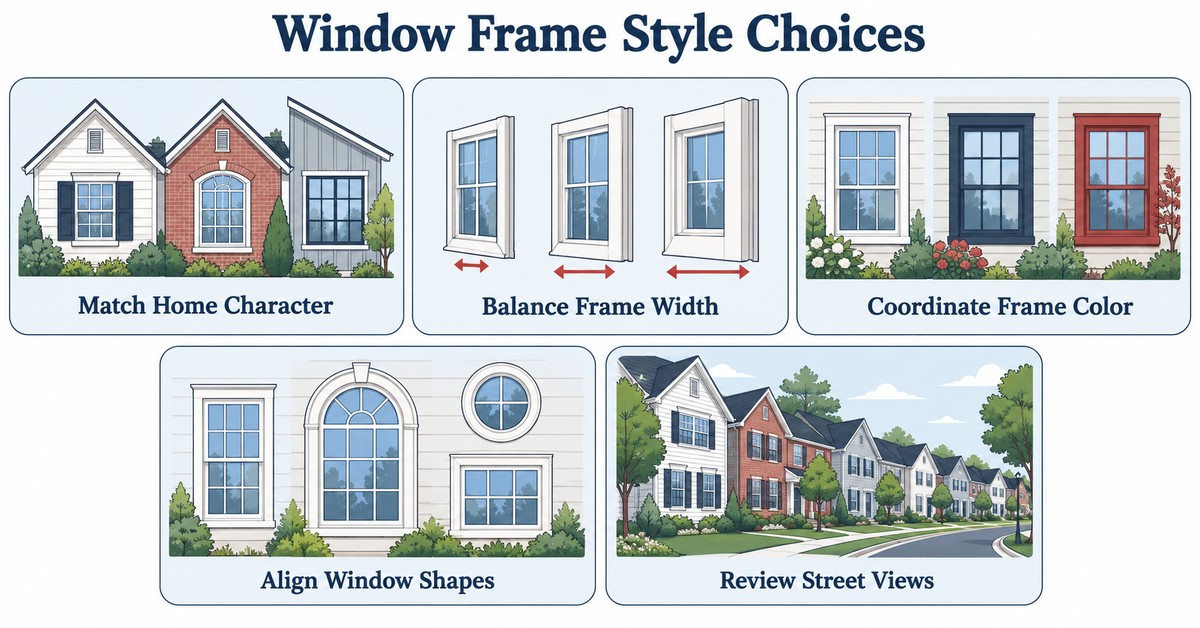
Architectural context gives frame decisions a useful starting point. Look at the roofline, wall surfaces, and proportions of the front elevation before comparing individual window designs. A frame that looks attractive in a close photograph may create a different impression when repeated across your entire home.
Follow the Lines Already Present
Existing lines can guide your choices without requiring every feature to match exactly. Low rooflines and broad wall surfaces often work well with horizontal window arrangements. Taller openings can reinforce vertical details, while a simple rectangular outline can connect several different areas of an exterior.
Visual continuity matters especially when your home combines more than one architectural influence. Identify the features that appear most often, such as square corners or evenly spaced openings, and use those as a reference. This creates a common language across the facade while leaving room for individual rooms to have different window functions.
Understand Frame Width and Visible Proportions
Frame width changes the relationship between the window and the surrounding wall. A visually narrow border places emphasis on the view through the opening. A broader border gives the window a stronger outline and can make it feel more substantial against a textured exterior.
Distinguish the Frame From Surrounding Trim
Frame and trim contribute separate layers to the finished appearance. The frame belongs to the window assembly, while surrounding exterior trim visually connects the opening to the wall. Compare these elements together so a preferred frame does not appear unexpectedly heavy beside an existing decorative border.
Apparent size also depends on the divisions within an opening. Two windows with similar overall dimensions may look different if one has more visible meeting rails or internal divisions. Request an elevation drawing for the configuration you are considering instead of assuming that every example photograph shows the same proportions.
Use Color to Shape Contrast
Color contrast determines how strongly a frame stands out from the wall. A light border against a light surface usually creates a gentle transition. A dark outline against that same surface draws the eye toward the window arrangement and makes inconsistencies in spacing easier to notice.
Finish coordination starts with permanent features rather than a single attractive swatch. Compare possible colors beside roof accents, masonry, and the exterior wall finish. Confirm the available exterior colors for the exact product you are considering; a color shown on one collection may not be offered across every configuration.
- Compare a sample against the wall in daylight.
- View the combination from the sidewalk.
- Check how the color relates to roof accents.
- Repeat a consistent approach across visible elevations.
Changing light affects the way a finish reads throughout the day. A sample held in direct sunshine may appear brighter than the same finish beneath an overhang. Check both conditions before deciding whether you prefer a subtle outline or a more pronounced contrast.
Coordinate Window Shapes and Divisions
Window configuration influences the pattern people notice from the street. Broad openings can emphasize a home’s width, while narrower openings can give a wall a more vertical rhythm. The horizontal proportions of sliding window frame designs can be useful when assessing how a wide opening relates to nearby roof edges and wall bands.
Panel divisions should feel deliberate across neighboring windows. Similar meeting-rail positions can bring order to a row of openings, even when the windows serve different rooms. Ask to see the proposed arrangement as a whole, because a small difference in one opening can become more noticeable when several windows sit together.

Compare Frame Choices Across the Exterior
Exterior relationships are easier to assess when each design choice is connected to a visible feature. Use this comparison to identify what deserves attention in photographs, samples, or an elevation drawing.
| Design Choice | Exterior Effect | What to Compare |
|---|---|---|
| Narrow visual profile | Emphasizes the opening | Frame border beside wall area |
| Broader visual profile | Strengthens the outline | Frame and existing trim together |
| High color contrast | Makes windows more prominent | Repetition across the facade |
| Horizontal divisions | Reinforces width and rhythm | Alignment with nearby openings |
Combined effects matter more than any one feature. A dark frame may feel restrained when the profile is narrow, while the same color can appear more prominent with a wider border. Evaluate width and color together rather than approving each choice in isolation.
Keep the Whole Elevation Cohesive
Consistent sightlines help several windows read as a coordinated group. Where the architecture allows, compare the apparent heights of neighboring window heads and the positions of major divisions. Existing openings may differ, so the goal is a thoughtful relationship rather than perfect uniformity everywhere.
Secondary elevations deserve attention when they are visible from a corner lot, driveway, or outdoor gathering area. Carrying a compatible frame color and visual profile around the home can make the overall design feel considered. Different opening sizes can still belong together when they share a clear design approach.
Lasting appeal comes from choices that fit the property and remain comfortable to live with. The discussion of how replacement windows relate to lasting home value offers another perspective on appearance as part of a broader home improvement decision. A coordinated exterior can support a favorable impression, but appearance alone does not guarantee a particular resale outcome.
Review Your Preferred Style Before Deciding
A practical review turns inspiration into a clearer conversation. Gather photographs that show both the full exterior and closer views of individual openings. Then compare the same small set of design priorities across every option.
- Photograph the front elevation from a straight viewpoint.
- Identify the rooflines and repeated window proportions.
- Compare frame samples beside existing exterior finishes.
- Review a proposed layout showing every visible opening.
- Confirm the exact profile, finish, and configuration available.
Clear priorities make feedback easier to explain. Rather than saying a design feels too bold, identify whether the concern comes from color contrast, border width, or panel divisions. That distinction helps keep the discussion focused on a change that will actually improve the appearance.
Frequently Asked Questions
Common design questions often involve coordination rather than choosing a single fashionable finish. These answers can help you prepare for a discussion about your home’s exterior.
Should Every Window Have the Same Frame Style?
Consistency helps create a unified appearance, especially across windows visible together. Different sizes or operating styles can still work well when their color, profile, and major divisions feel related.
Do Dark Frames Suit Every Exterior?
Contrast determines how dark frames read against a particular wall. Compare samples with your existing finishes and consider the entire elevation before deciding how strongly you want each opening to stand out.
Can Different Window Shapes Look Cohesive?
Shared details can connect different shapes. A consistent color and compatible frame proportions help create unity while allowing the architecture and individual rooms to retain their character.
Discuss the Right Frame Style for Your Home
For thoughtful guidance on window replacement Corona, CA, contact Ameristar Windows & Doors at (951) 354-2711. Bring your exterior photographs and priorities, and discuss frame options for your home’s exterior with the team. A focused conversation can help you compare available designs and arrange a consultation around your goals.