

Understanding the first signs. A misty window can raise questions about your home’s comfort, especially when moisture keeps returning. Before considering window replacement Corona, CA, identify where the moisture appears and how long it lasts. Room-side droplets, outdoor dew, and fog between panes have different explanations, so careful observation helps you choose a sensible next step.
Why Moisture Collects on Windows
Temperature and humidity. Condensation develops when moist air meets a surface cool enough for water vapor to become liquid. A window can reach that point while the rest of the room still feels comfortable. The resulting droplets reflect a relationship between air moisture and surface temperature, rather than providing a complete diagnosis of the window’s condition.
Everyday Sources of Indoor Moisture
Household routines. Cooking, showering, and other daily activities add moisture to indoor air. When that moisture reaches cooler glass, a light haze or beads of water may appear. Noting whether condensation follows a particular activity is more useful than judging the window from one isolated morning.
Room differences. Compare the affected room with nearby spaces at the same time of day. A kitchen window that fogs after meal preparation presents a different pattern from a living room window that stays cloudy all afternoon. Record those differences before assuming every window in the home has the same concern.
Locate the Moisture Before Drawing Conclusions
Surface location. Start with the side you can safely reach from indoors. If a soft cloth removes the moisture from that surface, the droplets are on the room side. Avoid reaching outside from an upper floor or leaning through an opening to inspect exterior moisture.
Room Side and Outdoor Condensation
Indoor droplets. Moisture on the inside surface often suggests that indoor humidity and glass temperature need attention together. Its presence alone does not establish that the window needs replacement. Wipe away water that collects on the sill and watch whether the pattern changes after ordinary moisture-producing activities end.
Outdoor dew. Exterior condensation can form when the outside glass becomes cooler than the surrounding air’s dew point. It may appear early in the day and disappear as conditions warm. This can happen on efficient windows, so outdoor moisture alone is not a reliable reason to replace them.
Persistent Fog Between Panes
Enclosed moisture. A cloudy area that cannot be wiped away from either accessible surface may be between the panes. Persistent moisture in that enclosed space can indicate deterioration of the insulated unit’s seal. Because residue and surface haze can look similar, a window professional should confirm the location before you make a replacement decision.
Track Patterns That Make the Situation Clearer
Useful observations. A short record makes it easier to describe what is happening without relying on memory. Take photographs from the same indoor angle and note whether the view clears later. Include observations such as these:
- The room and window where moisture appears.
- The time it starts and when it clears.
- Whether accessible surface moisture wipes away.
- Any indoor humidity reading taken nearby.
Consistent comparisons. Keep the notes focused on what you can see rather than assigning a cause too early. A photograph of haze beside a note about recent cooking gives more context than a description of a window as simply damp. Repeat observations across different days to distinguish a recurring concern from one unusual weather event.
Clear photographs. Take one image showing the whole window and another showing the affected area. Photograph the sill separately if water collects there, and avoid filters that alter the appearance of the moisture. Keeping the date with each photograph helps you describe whether the issue is becoming more frequent, staying consistent, or changing with household routines.
Compare Common Condensation Patterns
Reading the pattern. This comparison outlines possible explanations and useful next observations; it does not replace an individual assessment.
| Observed Pattern | Possible Explanation | Useful Next Observation |
|---|---|---|
| Droplets on room-side glass | Indoor moisture meeting a cool surface | Compare household activities and humidity readings |
| Outdoor mist early in the day | Exterior glass below the outdoor dew point | Watch whether it clears as the day warms |
| Haze enclosed between panes | Possible insulated-unit seal deterioration | Photograph it and request a window assessment |
| Water repeatedly collecting on the sill | Persistent surface condensation or another moisture source | Note its location and whether it follows rainfall |
Reduce Indoor Moisture and Recheck the Pattern
A practical sequence. When droplets are on the room side, address everyday moisture sources and compare the results. These steps help organize your observations without assuming the window is the only contributing factor.
- Measure indoor humidity with a household humidity monitor.
- Use kitchen and bathroom exhaust fans during moisture-producing activities.
- Dry accessible wet glass and the sill with a soft cloth.
- Record whether condensation decreases under comparable conditions.
Interpreting readings. A humidity number becomes more useful when you pair it with the room, time, and visible moisture. Keep the monitor in a representative indoor position and follow its instructions. Ask a qualified indoor-environment professional about persistent household humidity instead of treating one universal reading as suitable for every season and home.
Persistent wetness. If water repeatedly collects despite changes in household moisture, seek guidance rather than allowing the pattern to continue unchecked. Water appearing during rainfall also deserves a separate assessment because it may have a different source. Photographs and timing notes help explain that distinction without requiring you to identify the cause yourself.
When Window Performance Deserves a Closer Look
Comfort beyond the droplets. Consider whether recurring haze accompanies a less comfortable seating area or an obstructed view. These observations help frame a broader discussion about how window choices influence comfort and efficiency. Keep expectations realistic: changing windows does not eliminate every source of indoor moisture.
Match the Window Style to the Room
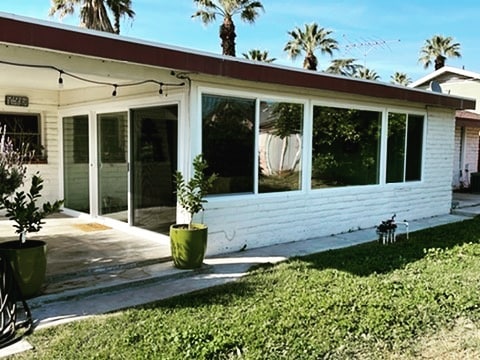
Daylight and airflow. When replacement is appropriate, the room’s daily use should guide the discussion. For a space where a clear outlook matters, picture windows that frame views and daylight offer a fixed configuration. Because they do not open, consider the room’s ventilation needs and the role of nearby operable windows before selecting a layout.
Balanced priorities. Bring notes about the window’s orientation, the view you want to preserve, and how the room feels at different times. Ask how the proposed window’s insulating features relate to those goals. A useful conversation connects your observations with appropriate options, without promising that condensation will never occur again.

Frequently Asked Questions
Does Every Foggy Window Need Replacement?
No. Moisture on an accessible surface may result from humidity and temperature differences. Persistent fog between panes deserves an assessment to confirm whether the insulated unit’s seal has deteriorated.
Why Does Condensation Disappear Later in the Day?
Changing temperatures and moisture levels can allow droplets to evaporate. Record whether the moisture is indoors or outdoors, because the location helps explain the pattern more accurately than timing alone.
Can New Windows Still Show Condensation?
Yes. Efficient windows can develop outdoor dew, and indoor surface moisture can still occur when humidity and glass temperature allow it. Replacement does not remove the need to manage indoor moisture.
What Should I Bring to a Window Consultation?
Bring photographs, timing notes, and any humidity readings, along with questions about comfort, daylight, and airflow. Explain whether the haze wipes away and whether it returns under similar conditions.
Discuss Your Window Concerns
For thoughtful guidance on window replacement Corona, CA, contact Ameristar Windows & Doors at (951) 354-2711. Bring your condensation observations and questions about daily comfort, visibility, and airflow. You can start a conversation about your home’s windows and discuss suitable replacement options with a team serving your community.