
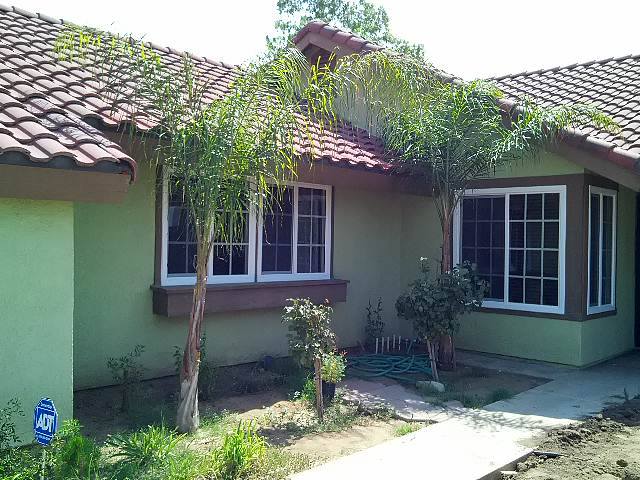
Window replacement Temecula, CA is not an automatic decision just because a family home has older windows. Some units need prompt attention because the frame is deteriorating, the sash will not operate safely, or water is getting past the window assembly. Others may still be functional but no longer meet the household’s needs for airflow, sun control, appearance, or daily use.
The useful question is not simply, “How old are these windows?” It is, “What are they doing, what condition are the surrounding walls and trim in, and what do we need them to do now?” A careful on-site assessment helps separate a window issue from a trim, wall, or installation issue.
Waiting when moisture is entering around a window can worsen the surrounding wood and wall materials. On the other hand, replacing a sound window without deciding on style, glass, and room use can leave you with an expensive update that still does not solve the real problem.
Every Old Window Problem Has the Same Cause
A draft, stuck sash, or fogged glass can look like one broad “old window” problem, but each symptom points to a different condition.
- Drafts: Air may be passing through worn weatherstripping, gaps around the frame, or an aging window assembly. Note whether the draft occurs around the moving sash, at the trim, or only during wind.
- Sticking sashes: Paint buildup, swollen wood, frame movement, or worn balances can make a window hard to open. A window that cannot open easily also affects emergency exit planning in bedrooms.
- Condensation: Moisture on the room-side glass often relates to indoor humidity and surface temperature. Moisture trapped between panes generally indicates a failed insulated glass seal.
- Visible damage: Soft wood, cracked frames, broken hardware, or separated joints deserve closer attention. These conditions can let water reach materials behind the trim.
- Outside noise: Sound transfer may come from thin glass, loose seals, gaps at the frame, or the window style itself. Do not assume thicker glass alone is the answer.
- Difficult operation: A window that requires force is not merely inconvenient. Repeated forcing can damage hardware further and may make the opening unreliable when ventilation or exit matters.
Take photos, write down which rooms are affected, and note when symptoms occur. Bring that record to an in-home evaluation so the replacement scope is based on evidence, not guesswork.
New Windows Should Copy the Old Ones Exactly
Older homes often have window proportions that give the exterior its character. That does not mean every detail must be duplicated without thought. A replacement should respect the original rhythm of the façade while improving how each room works.
Look at opening size, grille patterns, frame profile, and sightlines, meaning how much visible glass remains after the frame is installed. A bulky frame can change the look of a narrow opening, while the wrong grille layout can make an older home look mismatched.
Room use matters too. A bedroom may benefit from a window that is easier to operate, while a street-facing living room may need privacy and a design that matches nearby openings. Ameristar Windows & Doors can help homeowners discuss these tradeoffs before a custom unit is made.
The Window Itself Is the Only Choice That Matters
The frame and sash are only part of the finished system. The following choices affect comfort, appearance, and long-term performance.
- Glass selection: Sunny south- and west-facing rooms may need glass designed to manage solar heat while still allowing useful daylight.
- Frame material: Vinyl, fiberglass, aluminum, and wood-like designs have different visual profiles and maintenance needs. Match the material to the home’s style and exposure.
- Ventilation pattern: Decide which rooms need regular fresh air and which windows are mainly for light or exterior appearance.
- Privacy needs: Bathrooms, bedrooms, and close neighboring homes may call for textured glass, thoughtful opening placement, or window coverings planned alongside the new units.
- Exterior finish: A replacement should work with siding, stucco, brick, trim, and existing door colors rather than looking like an isolated update.
- Installation method: The condition of the existing frame, trim, and wall opening determines how the new window can be installed. This affects the finished look as much as the product selection.
For more guidance on daylight planning without overlooking other window functions, read window replacement tips for a brighter living space at home.
Replacing Windows Room by Room Is Always the Best Plan
A phased project can make sense when only certain rooms have clear problems or when a household wants to prioritize bedrooms, living areas, or sun-exposed sides of the home. It also gives you time to make design decisions carefully.
A coordinated project can be a better fit when several windows show similar age-related issues, exterior consistency matters, or future siding and trim work is planned. Replacing windows before major exterior work may avoid disturbing newly finished materials later.
The key is to create a whole-home plan even if the work happens in stages. Record the frame color, glass approach, grille pattern, and opening styles chosen for the first phase, so later work looks intentional rather than pieced together.
Installation Planning Can Wait Until After Choosing Windows
Installation details should be discussed before an order is finalized. Older homes can have uneven openings, hidden trim conditions, and wall details that affect the final result.
- Confirm measurements and opening conditions. Ask how the openings will be measured and how unusual wall or trim conditions will be handled.
- Discuss interior and exterior trim. Determine what stays, what may need to be removed, and what the completed edges will look like.
- Plan access and protection. Move fragile items away from windows, identify furniture that needs protection, and discuss access to upper-story or hard-to-reach openings.
- Prepare for children and pets. Installation areas involve tools, open wall openings, and frequent movement in and out of the home. Establish a safe route and separate work zone.
- Ask about cleanup and daily closeout. Clarify how debris is handled and what the crew will do if work extends beyond one day.
Ask the provider to explain the installation sequence in plain language. Clear answers about what happens before, during, and after installation are more valuable than assumptions.
How to Make a Confident Window Replacement Decision for an Older Temecula Home
- Identify the outcome first: Decide whether the priority is easier operation, better sun management, preserved character, ventilation, or a more consistent exterior.
- Document symptoms by room: Track drafts, condensation, sticking, water marks, glare, and damaged materials. Patterns help establish priorities.
- Start where the need is greatest: Focus on windows with moisture concerns, unsafe operation, or rooms that are difficult to use comfortably.
- Choose visual details on purpose: Match proportions, grille patterns, frame profiles, and finishes to the home rather than selecting each window in isolation.
- Compare providers by their answers: Ask how they assess wall openings, explain glass and frame choices, protect the home during installation, and handle unexpected conditions.
For window replacement Temecula, CA, a thoughtful assessment protects both the look and function of an older family home. Contact us to discuss your window replacement needs and installation plan with Ameristar Windows & Doors, or call (951) 790-0511.