
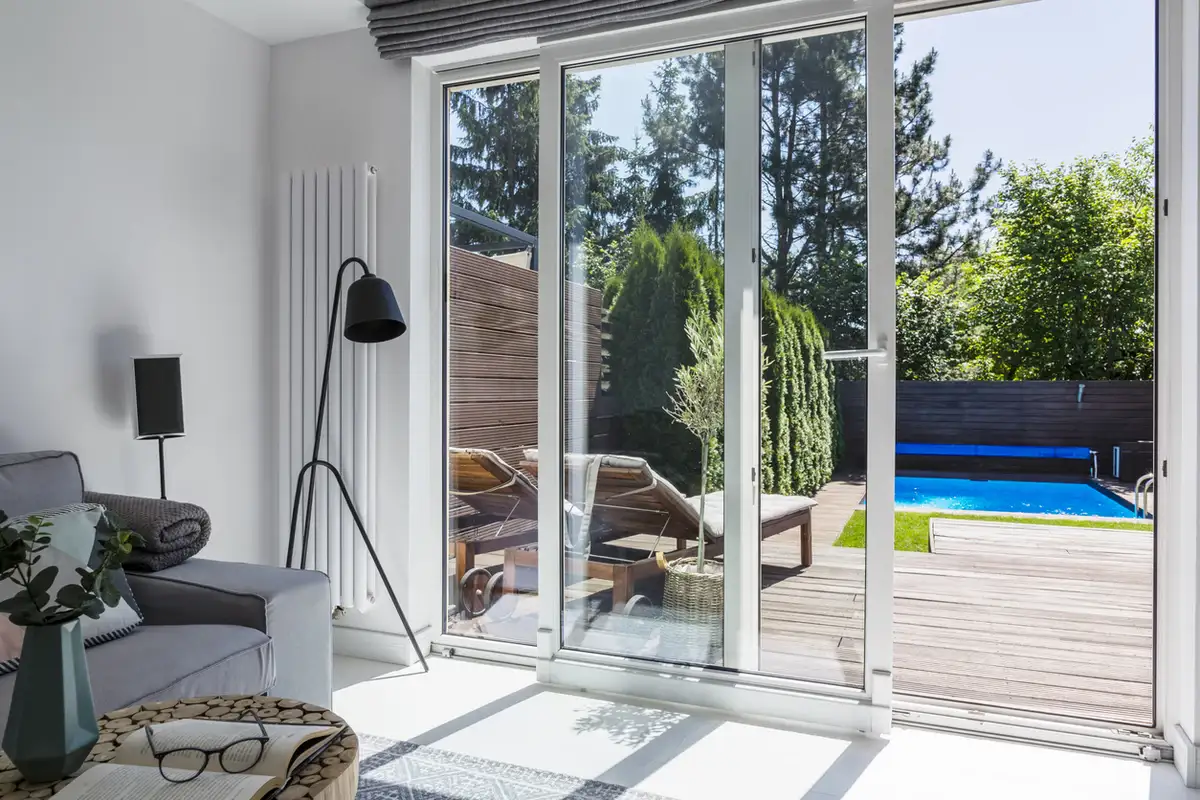
When to Replace Patio Doors: 7 Clear Signs It Is Time for an Upgrade
If your patio doors are sticky, drafty, or just feel tired, you may wonder if a quick repair is enough or if it is finally time to replace them. Patio doors have a significant impact on comfort, energy use, security, and the overall appearance and ambiance of your home, making the decision a crucial one.
Key Takeaways:
- How long do patio doors usually last
- Clear signs it is time to replace instead of repair.
- When a simple repair is still a smart choice
- What the patio door replacement process looks like with Ameristar Windows & Doors
By the end, you will have a clear idea of what to do next for your sliding or French patio doors.
How Long Patio Doors Last And Why Age Matters
Homeowners often start with two questions: “How long do patio doors last, and when should I think about replacing them?”
Typical patio door lifespan
Many sliding and hinged patio doors give good service for a couple of decades, sometimes longer, depending on:
- Material type, such as vinyl, fiberglass, wood, or aluminum
- Quality of the original door
- How well the door was installed
- Local climate and sun, wind, and rain exposure
- Maintenance over the years
If your patio doors are over 20 years old, pay attention. Near 25 or 30 years, consider whether to address ongoing issues or invest in a modern replacement. Experts generally place the average patio door lifespan at 20 to 30 years.
Quick Checklist: Is It Time To Replace Your Patio Doors?
If you answer yes to several of these, patio door replacement deserves a serious look:
- You feel drafts or notice hot and cold spots near the doors
- There is condensation or fogging between the glass panes
- The door sticks, drags, or jumps the track as you open it
- You see warping, rot, rust, or cracks on the frame or sill
- Sunlight has faded floors or furniture near the glass
- The lock feels flimsy and you do not feel secure
- Your energy bills keep climbing and the doors seem likely to blame
When “soon” becomes “right now”
Plan on replacing your patio doors as soon as you can if:
- The door will not close or latch properly
- The frame or sill has active water leaks
- There are cracks in the glass
- The lock is broken and the door is easy to force open
These situations involve safety, security, and potential water damage, not simple comfort issues.
Need a professional opinion?
Ameristar Windows & Doors offers expert inspections to identify patio door issues and guide you on whether repairing or replacing is best. As a local manufacturer and installer, Ameristar brings knowledge of Southern California homes, provides tailored solutions, and backs every product with a lifetime warranty for long-term peace of mind.
7 Signs You Should Replace Your Patio Doors, Not Just Repair Them
Now, let’s examine the most common real-life signs and what they typically indicate for your home.
1. Drafts, hot or cold spots, and rising energy bills
If you stand near your patio doors and feel a chill in winter or heat pouring in during summer, the cause is often:
- Worn-out weatherstripping or seals
- Gaps between the door and frame
- Old glass that no longer insulates well
Even small leaks can strain heating and cooling systems. Modern patio doors use:
- High-performance double or triple-pane glass
- Low E coatings
- Gas fill between panes
- Improved frames and seals
Together, these features help reduce drafts, cut hot and cold spots, and support more stable room temperatures.
2. Condensation or fogging between glass panes
Occasional moisture on the room side of the glass can be normal. Moisture trapped between panes is different.
Fogging between panes typically indicates that the seal on the insulated glass unit has failed. That means:
- The insulating gas between panes has leaked out
- Moisture has entered the cavity
- The glass no longer performs as it did when new
You might see:
- Persistent fog or haze inside the glass
- Streaks or spots you cannot wipe away
Defogging services rarely restore original energy performance. For older patio doors, full replacement often provides better comfort and value.
3. Doors that stick, drag, or jump the track
A quality patio door should open and close with ease, requiring only one hand. If yours:
- Sticks or jams
- Grinds as it slides
- Jumps off the track
- Needs two hands and a shove to move
Then something is out of line. Common causes include:
- Worn rollers
- Dirty or damaged tracks
- House settling that affects alignment
- Frames that have warped over time
Roller replacement, a deep clean, or a small adjustment may help. If repairs have not been effective, or the door is older and of builder-grade quality, a full replacement restores smooth operation and peace of mind.
4. Visible damage such as rot, warping, cracks, or rust
Inspect the frame, sill, and nearby trim:
- Wood can rot after years of moisture
- Vinyl can crack or warp from sun and temperature swings
- Aluminum can dent or corrode
Visible damage can mean:
- Water is getting into areas it should not reach
- The structure around the opening may be at risk
- The door may no longer seal as designed
In these cases, repairs are temporary. A new, properly installed patio door helps protect your home from further damage.
5. Outdated or weak locks and hardware
Your patio door is a major entry point. Older doors often have:
- Simple latches that are easy to force
- Loose or wobbly handles
- Tired hardware with worn finishes
Modern patio doors can include:
- Multi-point locking systems
- Stronger frames and reinforced lock areas
- Tempered or laminated glass for added security
If you feel uneasy about the door’s security, an upgrade is likely due.
6. Old glass that lets in heat, cold, and UV
Older patio doors may have:
- Single pane glass
- Early double-pane glass without current energy features
You may notice:
- The area near the doors feels hotter or colder than the rest of the room
- Floors, rugs, or furniture near the door look faded
- The glass feels very hot in the sun or very cold on cold days
Modern glass can:
- Reduce heat gain in summer and heat loss in cooler months
- Block a large share of UV rays that fade fabrics and finishes
- Make rooms near the doors more comfortable in every season
This motivates many homeowners to replace aging patio doors, even if they still function properly.
7. The door no longer fits your lifestyle or design
Sometimes the door is not broken; it is just wrong for your current life or style:
- You want more natural light or a wider opening to the yard
- You want to switch from a sliding door to French doors, or the other way
- You plan to age in place and need smoother thresholds and easier operation
- You are updating your home and the current door looks dated
A new patio door can make your patio or deck feel like a true extension of your living space.
During a home visit, Ameristar Windows & Doors takes time to understand how your patio area is used, including the needs of kids, pets, entertaining, or grilling. This personalized approach ensures you receive expert recommendations tailored to your daily life and long-term satisfaction, not just the opening size.
Repair Or Replace: How To Decide What Is Best
Not every issue requires replacement immediately. Some problems are simple and may only need a repair. The key is to know where the line sits.
When a repair is often enough
A repair may be reasonable if:
The door is fairly new and in good general condition
Problems are limited to:
- Dirty or worn rollers
- Track cleaning or a small track fix
- Loose handles or a simple lock change
- Weatherstripping that is cracked or missing
These simple fixes are less costly and can add years to the life of a younger door.
When replacement is usually the smarter move
Patio door replacement is usually the better choice when:
- The doors are older and show more than one problem
- You see fogging between panes along with drafts or sticking
- There is rot, warping, or damage in the frame or sill
- You have spent money on repeat repairs that do not last
- You want a clear jump in efficiency, style, or security
It is like an older car that keeps breaking down; eventually, replacing the system makes more sense than another repair.
Cost and value over time
Replacing patio doors involves a higher upfront cost than a simple repair, but the long term value can include:
- Lower energy bills
- Less maintenance and fewer service calls
- Better comfort and quieter rooms
- Stronger security and greater peace of mind
- A boost in curb appeal and resale value
Buyers and appraisers both notice modern, efficient patio doors in Southern California homes.
Best Time Of Year To Replace Patio Doors
Many homeowners assume they should wait for perfect weather. In practice, professional installers can replace patio doors in any season.
- Crews work efficiently to limit how long your home is open
- Cooler or shoulder seasons can offer more schedule options
- If your doors are leaking or unsafe, waiting can cost more in damage and energy loss than you save by delaying
The real best time is usually as soon as you are ready to solve ongoing issues.
How Ameristar Helps You Decide
When you schedule a visit with Ameristar Windows & Doors, the team will:
Inspect your existing patio doors, frames, and nearby walls
Check for air leaks, moisture, and structural concerns
Listen to your goals for comfort, style, security, and budget
Give a clear recommendation such as:
- “A repair is fine for now,” or
- “Here is why replacement will serve you better long term”
You are never pushed into a choice. You simply get expert information from a company that manufactures, installs, and warranties its own vinyl windows and patio doors for Southern California homes.
What To Expect When You Replace Patio Doors With Ameristar
When you replace your patio doors with Ameristar, the process is simple and structured:
Step 1: Consultation and measurement
A specialist visits your home to inspect your existing doors and surrounding area, take precise measurements, and discuss your goals for style, comfort, security, and budget.
Step 2: Choosing your new patio door
You select your door style (sliding or French), frame color, glass package for energy efficiency, privacy, and safety, and hardware that matches the rest of your home.
Step 3: Professional installation
The crew protects nearby floors and furniture, removes the old doors, sets and levels the new unit, insulates and seals around the frame, and completes the interior and exterior finish work. They then test the operation and locking.
Step 4: Cleanup, walkthrough, and warranty
The team hauls away the old doors and job debris, walks you through operation and basic care, and reviews your warranty details so you know exactly what is covered.
Ready To Explore New Patio Doors?
If your patio doors are dragging, leaking, fogging up, or feel unsafe, it may be time to plan a patio door replacement. Ameristar Windows & Doors can help you decide what makes the most sense for your home.
FAQs: When To Replace Patio Doors
1. How often should patio doors be replaced?
There is no exact expiration date, but many patio doors are replaced every 20 to 30 years. If yours are in that range and are showing problems like drafts, fogging, sticking, or frame damage, it is wise to consider replacement instead of additional patch repairs.
2. What are the most common signs that patio doors should be replaced instead of repaired?
Key red flags include:
- Fogging or condensation between glass panes
- Drafts that return after basic weatherstripping or minor repairs
- Rot, warping, or visible frame damage.
- Broken or unreliable locks
- Issues that keep coming back after each repair
When several of these issues appear together on an older door, a full replacement often provides better value and reliability.
3. Is it better to repair or replace old sliding patio doors?
If the doors are fairly new and problems are limited to issues with the rollers, handles, or light track, a repair can be sufficient. If the doors are older and you notice drafts, fogging, sticking, or damage, replacement typically provides better comfort, energy savings, and security.
4. What time of year is best to replace patio doors?
You can replace patio doors at any time of year. Professional installers limit the exposure time of the opening. Some homeowners prefer spring or fall, but if your doors leak or feel unsafe, the best time is simply as soon as you are ready to move forward.
5. How much does it cost to replace patio doors?
Cost depends on:
- Door style and size
- Glass package
- Frame material and finish
- Any needed repairs around the opening
- New trim or other upgrades
The best way to obtain an accurate number is to request a custom quote from Ameristar Windows & Doors, tailored to your specific home, goals, and budget.